
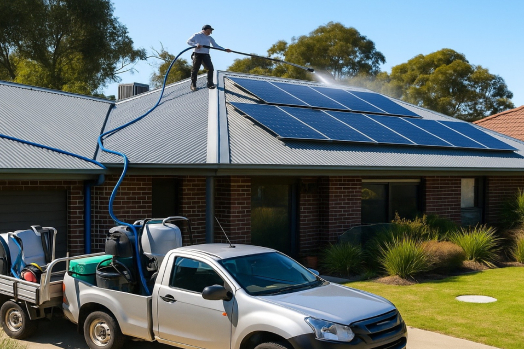
If you’ve noticed twigs, feathers, or droppings collecting around the edges of your solar panels, you’re not imagining things — birds nesting under solar panels is one of the most common (and most overlooked) problems facing Melbourne homeowners. The gap between the panel and your roof is warm, dry, sheltered from wind and rain, and almost completely hidden from predators. In other words, it’s the perfect nesting spot.
Unfortunately, what feels like a harmless bird’s nest can quickly turn into a fire hazard, a pest magnet, and an expensive repair bill if it’s left alone. In this guide, we’ll explain exactly why birds choose the space under your solar panels, what problems it creates, and what you can do to stop it for good.
Why Do Birds Nest Under Solar Panels?
Solar panels are usually mounted a few centimetres above the roof surface to allow for airflow and cooling. That small gap creates an ideal micro-environment for birds, particularly pigeons, sparrows, mynas, and starlings, for a few key reasons:
- Shelter from weather – The panel acts as a roof over their roof, protecting nests from rain, wind, and direct sun.
- Warmth – Panels absorb heat during the day and release it slowly, keeping the space underneath warmer than the surrounding roof.
- Protection from predators – Cats, hawks, and other birds can’t easily reach a nest tucked under a panel.
- Undisturbed privacy – Most homeowners never go up on the roof, so birds can nest for months without anyone noticing.
Once one pair of birds successfully nests under a panel, the same spot often gets reused season after season — and other birds tend to follow, turning a single nest into a recurring colony.
Prevent Water Damage to Your Home
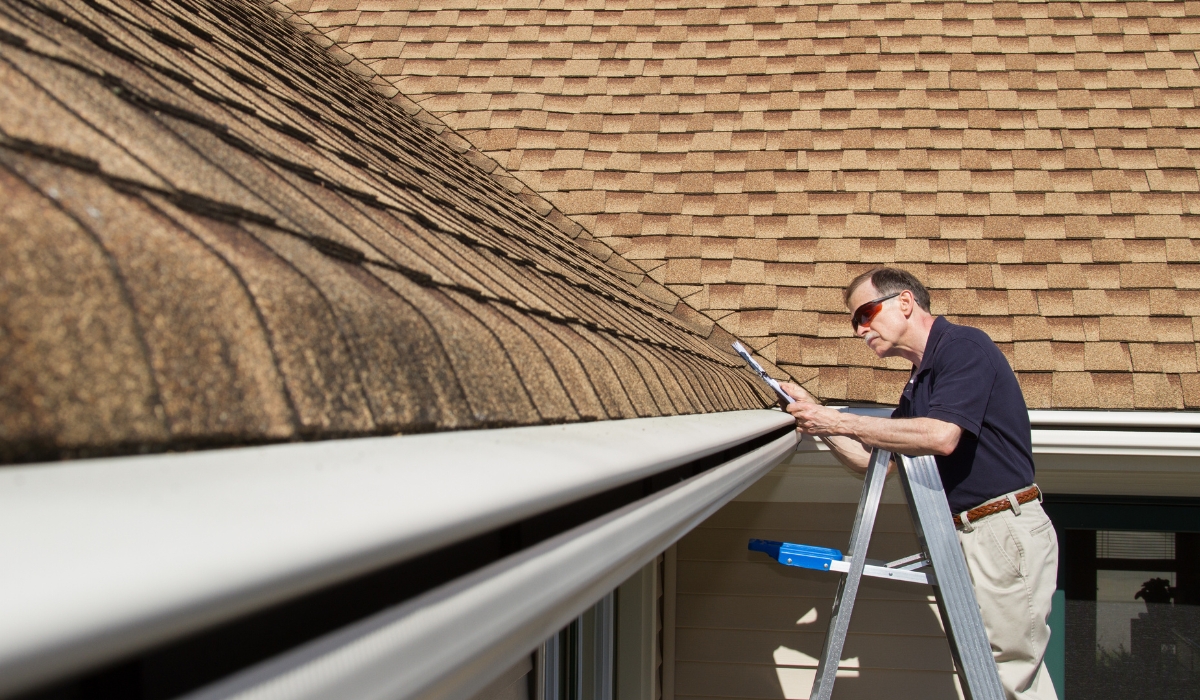
When gutters are packed with gunk, water does not flow where it should. Instead, it spills over the edges and runs down the side of your house. This can soak walls, cause your roof to leak, and even flood the basement. Over time, water can weaken structures and turn a minor fix into a major project.
Safeguard Against Pest Infestations
Clogged gutters become a perfect home for uninvited guests. Standing water attracts mosquitoes, while stagnant debris offers nesting spots for rodents and birds. No one wants their gutters doubling as a critter condo.
Protect Your Home's Foundation
The Real Problems Bird Nests Cause
A bird’s nest under your solar panel isn’t just an inconvenience — it can genuinely damage your system and your home.
1. Fire Risk
Birds don’t just build nests; they scratch, peck, and shuffle around. Over time this can wear through cable insulation, dislodge panel clips, or damage the frame sealant, leading to water leaks into your roof cavity.
2. Wiring and Panel Damage
3. Reduced Solar Efficiency
Droppings, feathers, and debris build up on and around your panels, blocking sunlight and reducing energy output. Even a partially shaded panel can drag down the performance of your entire solar array.
4. Pest and Hygiene Issues
Bird droppings attract mites, fleas, and other pests. The smell and mess can also spread to your gutters, eaves, and outdoor living areas, especially during Melbourne’s warmer months when nesting activity peaks.
5. Blocked Gutters
Nesting material and droppings often wash straight into your gutters, adding to blockages and increasing the risk of overflow during heavy rain — a problem we see constantly across Melbourne’s southeastern suburbs.
Signs You Might Have Birds Nesting Under Your Panels
You don’t need to climb onto the roof to spot the warning signs. Look out for:
- Birds repeatedly landing on or flying under the same section of your roof
- Twigs, straw, or nesting material scattered near your gutters or on the ground below the panels
- Chirping or scratching sounds coming from the roof, especially early morning
- Droppings streaked down the roof tiles or gutter line
- A noticeable drop in your solar system’s energy output
If you’re seeing two or more of these signs, there’s a good chance birds have already made themselves at home.
How to Stop Birds Nesting Under Solar Panels
The good news is that bird proofing is a simple, one-time fix that solves the problem permanently. Here’s how it works.
Solar Panel Bird Proofing Mesh
A galvanised or stainless-steel mesh is fitted around the perimeter of your solar panels, sealing off the gap between the panel and the roof. Birds can no longer access the space, but airflow around the panels — which is essential for cooling — is not restricted. This is the industry-standard solution and, when installed correctly, is virtually invisible from the ground.
Removing Existing Nests First
If birds are already nesting under your panels, the nests need to be safely removed before mesh is installed. This should always be done by a professional, since disturbing an active nest can be distressing for the birds and, depending on the species, may be subject to local wildlife regulations.
Combining Bird Proofing With Solar Panel Cleaning
Because nesting debris and droppings usually go hand in hand, it makes sense to have your solar panels cleaned at the same time as bird proofing. This clears away existing mess, restores your system’s efficiency, and gives you a clean slate before the mesh goes on.
DIY vs Professional Bird Proofing
It’s tempting to buy mesh online and try to fit it yourself, but there are a few reasons most Melbourne homeowners leave this to professionals:
- Working at height on a pitched roof around electrical equipment carries real safety risks without the right harness and access equipment.
- Incorrect fitting can block essential airflow, causing panels to overheat and lose efficiency.
- Damaged wiring is easy to miss without training, and a poor seal can let birds back in within weeks.
A professional installation typically takes less than a day, comes with a workmanship guarantee, and is a genuine “fit it once and forget it” solution.
Best Time to Bird Proof Your Solar Panels
In Melbourne, bird activity picks up heading into spring and summer as nesting season begins. The best time to install bird proofing mesh is late winter or early spring — before birds start scouting nesting spots — so you’re protected before the problem starts rather than after.
Final Thoughts
Birds nesting under solar panels might seem like a minor nuisance, but left unchecked it can lead to fire risk, costly wiring repairs, reduced solar performance, and ongoing pest problems. The fix is straightforward: professional bird proofing mesh combined with a solar panel clean solves the issue permanently and protects one of the biggest investments in your home.
If you’ve noticed birds around your solar panels, don’t wait for the problem to get worse. Get in touch with our team for a free quote on solar bird proofing and solar panel cleaning across Melbourne.